Information
Landmark: Maduru Oya National ParkCity: Polonnaruwa
Country: Sri Lanka
Continent: Asia
Maduru Oya National Park, Polonnaruwa, Sri Lanka, Asia
Overview
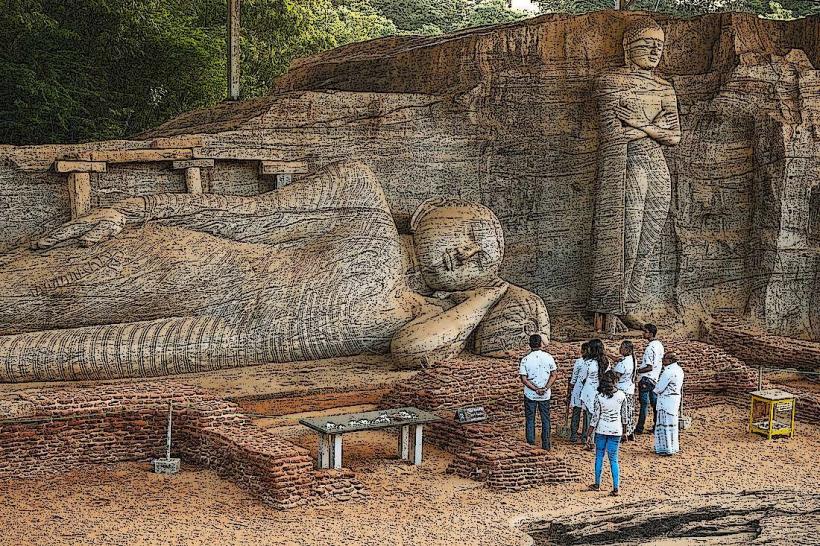
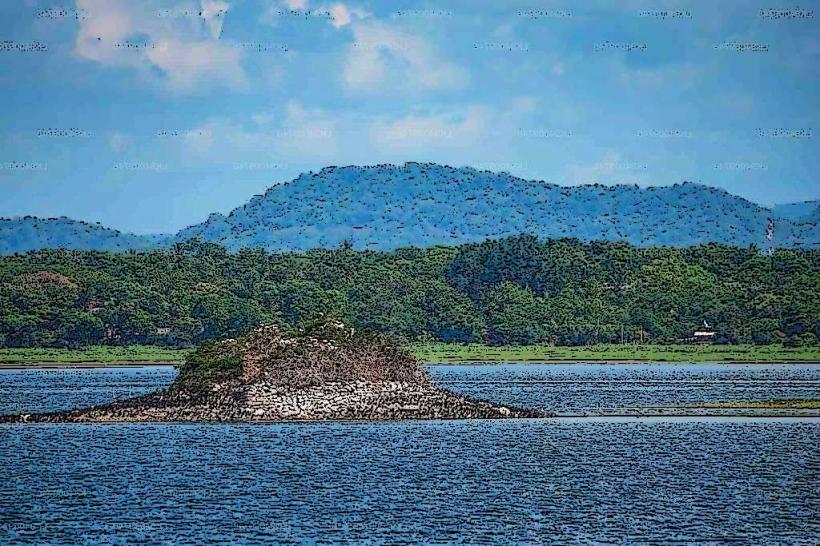
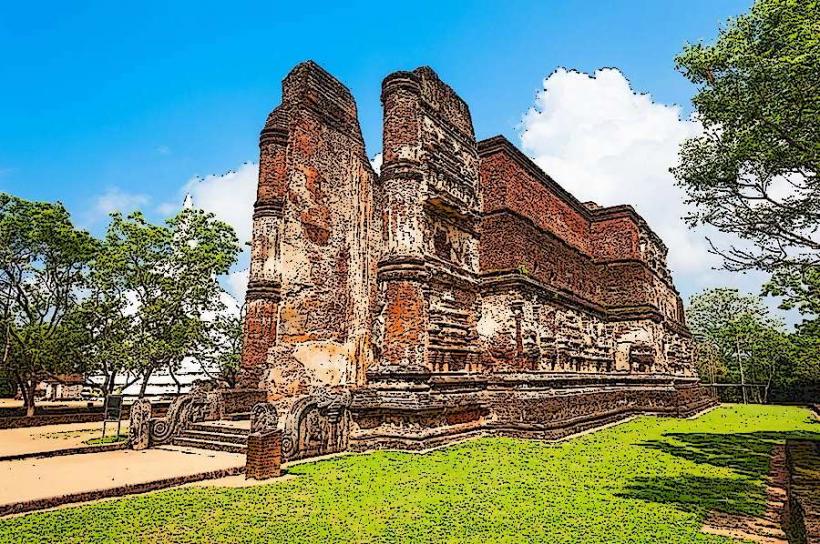
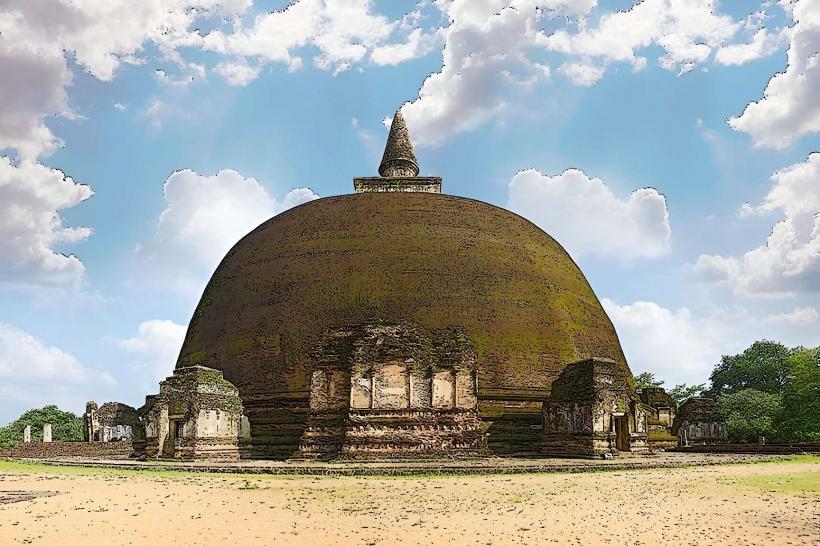
Tucked away in Sri Lanka’s Eastern Province, Maduru Oya National Park offers quiet trails and open skies, far from the usual crowds, along with the park draws visitors with its sweeping landscapes, the call of distant birds, and a calm that settles over you like early morning mist.Curiously, This spot is perfect if you’re after a peaceful wildlife escape, with shaded forests, glassy wetlands, and winding rivers, and plenty of chances to watch elephants and spot glowing flashes of wings in the trees, at the same time one.Maduru Oya National Park sits in Sri Lanka’s Eastern Province, not far from the winding Mahaweli River, and stretches across parts of Polonnaruwa and Batticaloa, not only that covering 58,850 hectares-about the size of 145,000 football fields-it ranks among the country’s largest parks.It’s roughly 200 kilometers east of Colombo, with routes in from Polonnaruwa (45 km), Batticaloa (70 km), or Habarana (100 km), likewise maduru Oya National Park, created in 1983, safeguards the Maduru Oya Reservoir and the life around it-tropical dry forests humming with cicadas, winding riverbanks, and wide stretches of grassland, to some extent The park plays a key role in controlling floods and conserving water in the region, while also protecting Sri Lanka’s wildlife habitats-especially those of the Sri Lankan elephant, a familiar sight wandering among the tall grasses, therefore maduru Oya National Park is rich with diverse plants and animals, but it’s the elephants that draw the most attention.The park’s perfect for anyone who loves watching wildlife, especially along the shaded riverbanks or deep in the quiet forest, alternatively in the park, you’ll find tropical dry evergreen forests, sun-baked scrublands, wide grass meadows, and cool, still wetlands, mildly Palmyra palms, mango trees, teak, ebony, and screw pine fill the park with shifting shades of green, while the Maduru Oya Reservoir nurtures water lilies and other aquatic plants, furthermore this rich mix of vegetation shelters countless animals, including the park’s celebrated Sri Lankan elephants.The park is a haven for these magnificent creatures, and you might catch sight of them along the reservoir’s edge, in the open grasslands, or sipping from a quiet waterhole, and other residents include wild boar, spotted and sambar deer, sloth bears, and the occasional jackal slinking through the brush, roughly Leopards live in the park too, though you’ll rarely spot one through the thick tangle of undergrowth, therefore for bird lovers, Maduru Oya is a treat, with more than 150 species flitting through the trees, moderately You’ll spot waterfowl like painted storks and egrets, flocks of migrating birds, and local treasures such as the Sri Lankan junglefowl and Sri Lanka spurfowl; reptiles are here too-monitor lizards basking on warm rocks, water snakes sliding through the shallows, and crocodiles lurking near streams-while Maduru Oya invites visitors to discover this rich wildlife through a range of activities, simultaneously when it comes to exploring the park, most visitors hop into a jeep safari, bumping along dusty trails in search of wildlife.You can drive through the park’s sweeping grasslands and shady forests to watch elephants, leopards, and all kinds of other wildlife, on top of that around the waterholes and the Maduru Oya Reservoir-especially in the dry season-you’ll often detect herds clustered at the edge, drinking in the heat.From October to April, when thousands of migratory birds arrive, the park turns into a birdwatcher’s haven alive with wings and calls, and you might spot painted storks, peafowls, and herons standing still in the park’s wetlands, their reflections rippling in the water.At the Maduru Oya Reservoir, hop on a boat for a unhurried ride past elephants drinking and splashing at the banks, in addition if you’d rather explore on foot, guided nature walks lead you through the park’s forests and quiet marshes, kind of These walks bring you closer to the ecosystem, letting you spot wild orchids or hear the rustle of unseen animals, while the park’s varied landscapes offer prime photo ops-especially of elephants bathing or glowing-feathered birds in the trees, also sunrise and sunset paint the sky in warm golds, creating breathtaking backdrops for wildlife shots.The ideal time to visit Maduru Oya National Park is the dry season, May to September, when herds drift toward the shrinking waterholes, then wildlife is easiest to spot now, with elephants often seen grazing near the water’s edge, partially From October to April, the wet season also draws flocks of migratory birds, making it a prime time for birdwatching, at the same time you can reach Maduru Oya National Park by car from Polonnaruwa, Batticaloa, or Habarana.It’s about a four- to five-hour drive from Colombo to the park, and you’ll find eco-lodges, guesthouses, and resorts both nearby and in towns like Polonnaruwa, where radiant bougainvillea spills over garden walls, to boot you can camp in the park’s designated spots, where the air smells faintly of pine after dusk, partially Foreign visitors pay an entrance fee, with extra charges for jeep safaris, boat rides, and guides, also maduru Oya National Park is also a vital refuge for Sri Lankan elephants, protecting them from human encroachment, a little Park staff work to ease human-elephant tensions and safeguard its diverse habitats, from lush forests to the shimmering Maduru Oya Reservoir, where herons stalk the shallows, on top of that they keep the wetlands healthy so every creature has enough water and food.Just 45 kilometers away, the Polonnaruwa Ancient City displays weathered temples and stone carvings from Sri Lanka’s medieval past, moreover minneriya National Park, 60 kilometers out, draws crowds for the great elephant gathering at its vast tank.And in Habarana, a lively hub for exploring Sigiriya, the Dambulla Cave Temple, and other wonders, travelers find an easy gateway to adventure, simultaneously maduru Oya remains a breathtaking haven for anyone who loves wildlife and wild places.The park brims with life-elephants roaming in the distance, shining flashes of bird wings overhead-and its quiet beauty makes every visit feel deeply rewarding, along with you might be bouncing along in a jeep on safari, drifting over the reservoir with the sun on your face, or winding through shaded forest trails-but Maduru Oya remains a rare, untamed gem for experiencing Sri Lanka’s wildlife up close.
Author: Tourist Landmarks
Date: 2025-09-12